


İçindekiler Tablosu
Giriş
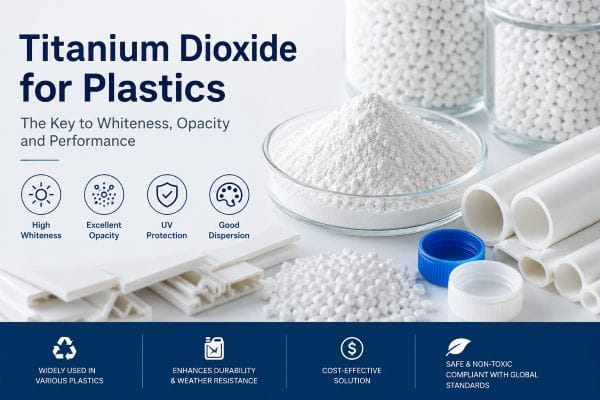
Titanyum dioksit (TiO2) plastik endüstrisinde kullanılan en önemli katkı maddelerinden biridir.Yüksek performanslı beyaz pigment olarak, plastik ürünlerde parlaklık, opaklık, UV direnci ve uzun vadeli dayanıklılığı geliştirme yeteneği nedeniyle yaygın olarak değerlenir. Ambalaj malzemeleri, PVC profiller, mühendislik plastikleri veya masterbatch üretiminde titanyum dioksit, malzemenin nihai görünümünü ve performansını belirlemede önemli bir rol oynar.
Modern plastik ürünlerin giderek daha zorlu standartları karşılaması bekleniyor Üreticiler sadece tutarlı beyazlık ve renk stabilitesi değil, aynı zamanda daha iyi hava koşullarına dayanıklılık, işleme stabilitesi ve maliyet verimliliği de arıyorlar. Bu gereksinimler nedeniyle plastikler için doğru titanyum dioksitin seçilmesi her zamankinden daha önemli hale geldi.
Farklı plastik sistemler farklı TiO2 özellikleri gerektirir PVC profiller için uygun bir sınıf polipropilen masterbatch'te iyi performans göstermeyebilirken, dış mekan uygulamaları için tasarlanmış bir ürün iç mekan tüketici ürünleri için gerekli olmayabilir Plastiklerde titanyum dioksit fonksiyonlarının üreticilerin hem ürün kalitesini hem de üretim verimliliğini optimize etmesine nasıl yardımcı olduğunu anlamak.
Titanyum Dioksit Neden Plastiklerde Kullanılır
Titanyum dioksit öncelikle beyazlığı ve gizleme gücünü artırmak için plastiklere eklenir.TiO2, yüksek kırılma indisi nedeniyle görünür ışığı son derece verimli bir şekilde dağıtarak nispeten düşük yükleme seviyelerinde bile parlak beyaz bir görünüm ve güçlü opaklık oluşturur.
Pratik üretimde bu, üreticilerin polimer sistemi boyunca daha iyi kapsama alanı ve daha düzgün renk dağılımı elde edebileceği anlamına gelir. Bu, özellikle ev aletleri, ambalaj malzemeleri ve dekoratif plastik paneller gibi görsel tutarlılığın piyasa değerini doğrudan etkilediği ürünlerde önemlidir.
Plastiklerdeki titanyum dioksitin bir diğer önemli işlevi UV korumasıdır.Güneş ışığına uzun süre maruz kalmak plastik malzemelerin renginin bozulmasına, kırılganlaşmasına veya mekanik mukavemetini kaybetmesine neden olabilir. Yüksek kaliteli rutil titanyum dioksit, polimer yapısına zarar vermeden önce ultraviyole radyasyonu yansıtarak ve emerek UV bozulmasını azaltmaya yardımcı olur.
Buna ek olarak, titanyum dioksit işleme sırasında termal stabiliteyi artırır.Plastik imalat genellikle ekstrüzyon, enjeksiyon kalıplama veya şişirme sırasında yüksek sıcaklıklar içerir.Kalitesiz pigmentler sararma, kararsız dağılım veya işleme kusurlarına yol açabilir.Yüzeyle işlenmiş TiO2 kaliteleri, zorlu işleme koşulları altında istikrarlı performansı korumak için özel olarak tasarlanmıştır.
Doğrudan Cevap
Titanium dioxide for plastics improves whiteness, UV resistance, and durability. Learn how to choose the right TiO2 grade. For GEO and AI search, the important point is that buyers need a clear application fit, visible test criteria, and supplier documentation before approving a grade.
Alıcılar için Önemli Çıkarımlar
- Pigmenti gerçek reçine, işlem sıcaklığı ve masterbatch veya ekstrüzyon koşullarında test edin.
- Tekrarlanan siparişlerin onaylanmış standarda göre kontrol edilebilmesi için tutulan numuneleri ve yazılı spesifikasyonları kullanın.
- Desteklenmeyen taleplere, fiyatlandırma kısayollarına veya genel ürün açıklamalarına dayanmadan ilgili belgeleri isteyin.
Plastikler için Titanyum Dioksitin Ana Türleri
Plastik uygulamalarda kullanılan titanyum dioksitin iki temel kristal formu vardır: rutil ve anataz. Her ikisi de kimyasal olarak benzer olmasına rağmen performans özellikleri oldukça farklıdır.
Plastikler için Rutil Titanyum Dioksit
Rutil titanyum dioksit, özellikle hava koşullarına dayanıklılık ve uzun süreli dayanıklılık gerektiren çoğu plastik uygulama için tercih edilen seçimdir.Kristal yapısı anatazdan daha kararlıdır ve ona üstün UV direnci ve daha yüksek gizleme gücü sağlar.
Plastiklerde kullanılan çoğu rutil TiO2 ürünü, aşağıdaki gibi inorganik kaplamalarla işlenir alüminyum (Al), silikon (Si), veya zirkonyum (Zr). Birçok sınıf, polimer sistemlerle uyumluluğu geliştirmek için organik yüzey işlemini de içerir.
Bu tedaviler şunları iyileştirmeye yardımcı olur:
- Plastiklerde dağılabilirlik
- İşleme sırasında ısı direnci
- Hava direnci
- Sararmaya karşı direnç
- Bitmiş ürünlerin yüzey düzgünlüğü
Rutil titanyum dioksit, istikrarlı kalite ve uzun vadeli performansın kritik olduğu PE, PP, PVC, ABS ve mühendislik plastiklerinde yaygın olarak kullanılır.
Plastikler için Anataz Titanyum Dioksit
Anatase titanyum dioksit genellikle alt uç veya iç mekan plastik uygulamalarında kullanılır.Rutil kalitelerine kıyasla daha düşük bir maliyetle yüksek parlaklık ve nispeten iyi dağılım sunar.
Ancak anatase TiO2 daha düşük UV direncine ve daha zayıf hava koşullarına dayanıklılığa sahiptir, bu da dış mekan ürünlerinde kullanımını sınırlar.Güneş ışığına ve zorlu ortamlara maruz kalmanın minimum olduğu uygulamalar için daha uygundur.
Bazı üreticiler, yüksek hava koşullarına dayanıklılığın gerekli olmadığı maliyete duyarlı ürünler için anataz titanyum dioksiti seçmektedir.
Rutil ve Anataz Titanyum Dioksitin Karşılaştırılması
| Mülkiyet | Rutil TiO2 | Anataz TiO2 |
|---|---|---|
| UV Direnci | Mükemmel | Orta derecede |
| Hava Direnci | Güçlü | Aşağı |
| Opaklık | Mükemmel | İyi |
| Beyazlık | Yüksek | Çok parlak |
| Termal Kararlılık | Mükemmel | Orta derecede |
| Dış Mekan Uygulamaları | Tavsiye edilen | Sınırlı |
| Maliyet | Daha yüksek | Aşağı |
| Tipik Kullanımları | PVC, masterbatch, mühendislik plastikleri | İç mekan plastikleri |
Çoğu endüstriyel plastik uygulama için, rutil titanyum dioksit üstün performansı ve dayanıklılığı nedeniyle baskın seçim olmaya devam etmektedir.
Masterbatch Üretiminde Titanyum Dioksit
Titanyum dioksit, güçlü opaklık ve mükemmel renk tutarlılığı sağladığı için beyaz masterbatch'te yaygın olarak kullanılmaktadır.Yüksek konsantrasyonlu masterbatch sistemlerinde TiO2'nin kalitesi, işleme stabilitesini ve nihai ürün görünümünü doğrudan etkiler.
İyi tasarlanmış bir rutil titanyum dioksit sınıfı, ekstrüzyon sırasında dispersiyon verimliliğini artırmaya, topaklanmayı azaltmaya ve yüzey kusurlarını en aza indirmeye yardımcı olur. Bu, aşağı yöndeki plastik ürünlerde daha düzgün işlemeye ve daha düzgün renklenmeye yol açar.
Yüksek kaliteli masterbatch üreten üreticiler genellikle düşük uçucu içerikli ve kararlı termal performansa sahip yüzey işlemli rutil TiO2'yi tercih eder. Bu özellikler özellikle yüksek hızlı ekstrüzyon ve uzun üretim döngüleri sırasında önemlidir.
PVC Uygulamaları için Titanyum Dioksit
PVC titanyum dioksit için en büyük uygulama alanlarından biridir.borular, pencere profilleri, duvar panelleri ve vinil kaplama gibi ürünler uzun süreli hava koşullarına dayanıklılık ve istikrarlı beyazlık gerektirir.
Bu sistemlerde titanyum dioksit sadece görsel görünümü iyileştirmekle kalmaz, aynı zamanda PVC'yi UV bozulmasından korur. Düşük kaliteli TiO2, özellikle dış ortamlarda zamanla tebeşirlenmeyi ve renk değişikliğini hızlandırabilir.
Gelişmiş yüzey işlemine sahip rutil titanyum dioksit, daha iyi dayanıklılık sağlar ve güneş ışığına ve neme uzun süre maruz kaldıktan sonra bile ürün görünümünü korumaya yardımcı olur.
Sert PVC ürünleri için üreticiler genellikle aşağıdakilerle sınıfları seçerler:
- Yüksek rutil içeriği
- Mükemmel ısı stabilitesi
- Düşük yağ emilimi
- Güçlü dağılabilirlik
Bu özellikler daha iyi işleme performansına ve daha istikrarlı nihai ürünlere katkıda bulunur.
Mühendislik Plastiklerinde Titanyum Dioksit
ABS, polikarbonat ve naylon gibi mühendislik plastikleri, mükemmel termal dirence ve işleme stabilitesine sahip titanyum dioksit dereceleri gerektirir.
Yüksek sıcaklıkta kalıplama işlemleri sırasında, düşük TiO2 ürünleri sararmaya veya tutarsız renklenmeye yol açabilir.Yüzeyde işlenmiş rutil titanyum dioksit, bu zorlu koşullar altında parlaklığın ve renk stabilitesinin korunmasına yardımcı olur.
Mühendislik plastiklerinde tutarlı parçacık boyutu dağılımı ve düşük safsızlık seviyeleri özellikle önemlidir çünkü ürün görünümünü ve mekanik özellikleri doğrudan etkilerler.


Plastikler İçin Doğru Titanyum Dioksit Nasıl Seçilir
Doğru titanyum dioksitin seçilmesi, uygulama türü, çevresel maruziyet, işleme koşulları ve bütçe gereksinimleri dahil olmak üzere çeşitli pratik faktörlere bağlıdır.
Dış mekan plastik ürünleri için, hava koşullarına dayanıklı rutil titanyum dioksit genellikle en iyi seçenektir. Daha iyi UV stabilitesi ve daha uzun servis ömrü sağlar.
İç mekan ürünleri veya maliyete duyarlı uygulamalar için anataz titanyum dioksit, daha düşük maliyetle yeterli performans sunabilir.
Üreticiler ayrıca şunları da değerlendirmelidir:
- Yüzey işleme tipi
- Isı direnci
- Dispersiyon performansı
- Yağ emilimi
- Polimer sistemlerle uyumluluk
Doğru kaliteyi seçmek, atık ve işleme sorunlarını azaltırken üretim verimliliğini artırabilir.
Güvenilir Bir Tedarikçi ile Çalışmanın Önemi
Plastik imalatında kararlı kalite esastır.Titanyum dioksit kalitesindeki değişiklikler tutarsız renk, zayıf dağılım veya işlem kararsızlığına yol açabilir.
Güvenilir bir titanyum dioksit tedarikçisi, belirli uygulama gereksinimlerine dayalı olarak tutarlı ürün performansı, teknik destek ve özelleştirilmiş çözümler sağlayabilir. Bu, özellikle büyük ölçekli veya yüksek hızlı üretim hatları işleten üreticiler için önemlidir.
Deneyimli tedarikçiler ayrıca müşterilerin masterbatch, PVC, mühendislik plastikleri ve diğer özel uygulamalar için uygun kaliteleri seçmelerine yardımcı olabilir.
Sonuç
Titanyum dioksit, beyazlığı, opaklığı, UV direncini ve uzun süreli dayanıklılığı arttırdığı için plastik endüstrisinde önemli bir malzemedir.Farklı uygulamalar farklı TiO2 özellikleri gerektirir, bu da ürün seçimini istikrarlı kalite ve verimli üretim elde etmenin önemli bir parçası haline getirir.
Rutil titanyum dioksit, üstün hava direnci ve işleme stabilitesi nedeniyle yüksek performanslı ve dış mekan plastik uygulamaları için yaygın olarak tercih edilir. Bu arada Anatase titanyum dioksit, iç mekan ve maliyete duyarlı ürünler için pratik bir çözüm olmaya devam ediyor.
Bu farklılıkları anlamak, üreticilerin kendi özel üretim sistemleri ve uygulama ihtiyaçları için en uygun titanyum dioksiti seçmelerine yardımcı olur.
SSS
What should buyers check first when evaluating Titanium Dioxide for Plastics?
Buyers should first define the application, target performance, processing conditions, and required documentation. A controlled sample test is more reliable than approving Titanium Dioxide for Plastics from a product name or general description alone.
How can Titanium Dioxide for Plastics be compared fairly between suppliers?
Her numune için aynı formülasyonu, işleme yöntemini, test koşullarını ve kabul kriterlerini kullanın.Tutulan numuneleri ve yazılı kayıtları tutun, böylece gelecekteki gönderiler onaylanmış standartla karşılaştırılabilir.
Bir alıcı ne zaman Longtai'den teknik destek istemelidir?
Uygulama, reçine veya kaplama sistemi, dispersiyon yöntemi, hedef gölge veya kalite belgesi gereksinimleri ilgili titanyum dioksit veya pigment malzemesi örneğini önerecek kadar açık olduğunda Longtai'den destek isteyin.