


Table of Contents
Introduction
Titanium dioxide (TiO₂) is one of the most important raw materials used in white masterbatch production. In the plastics industry, masterbatch plays a critical role in controlling color, improving processing efficiency, and maintaining product consistency. The quality of titanium dioxide directly affects the appearance, dispersion, opacity, and long-term performance of the final plastic products.
As the demand for high-quality plastic materials continues to grow, manufacturers are placing greater emphasis on selecting the right titanium dioxide for masterbatch applications. A suitable TiO₂ grade not only improves whiteness and hiding power but also enhances processing stability and reduces production defects.
From polyethylene (PE) and polypropylene (PP) to engineering plastics and film applications, titanium dioxide has become an essential additive in modern masterbatch systems. Understanding how different TiO₂ grades perform in masterbatch production can help manufacturers improve efficiency and achieve more stable product quality.
Why Titanium Dioxide Is Used in Masterbatch
The primary function of titanium dioxide in masterbatch is to provide whiteness and opacity. Because TiO₂ has an extremely high refractive index, it can scatter light efficiently and create a bright, uniform appearance in plastic products.
In white masterbatch, titanium dioxide also helps improve color consistency and reduce transparency. This is especially important in film applications, packaging materials, household appliances, and construction products where appearance quality directly influences market value.
Another important advantage is UV protection. High-quality rutile titanium dioxide helps protect polymer materials from degradation caused by ultraviolet radiation. This improves weather resistance and extends the service life of outdoor plastic products.
In addition, titanium dioxide contributes to processing stability. A well-designed TiO₂ grade with good dispersibility reduces agglomeration during extrusion, leading to smoother processing and more uniform masterbatch performance.

Types of Titanium Dioxide for Masterbatch
Two main types of titanium dioxide are used in masterbatch production: rutile and anatase.
Rutile Titanium Dioxide for Masterbatch
Rutile titanium dioxide is the preferred choice for most masterbatch applications because of its excellent durability, strong hiding power, and superior UV resistance.
Most rutile grades used in masterbatch are treated with inorganic coatings such as aluminum (Al), silicon (Si), or zirconium (Zr). Organic surface treatment is also commonly applied to improve compatibility with polymer systems and enhance dispersion during processing.
Key advantages of rutile titanium dioxide for masterbatch include:
- Excellent opacity and tinting strength
- High whiteness and brightness
- Good thermal stability
- Resistance to yellowing during processing
- Superior weather resistance
- Improved dispersion in polymers
Rutile TiO₂ is widely used in PE, PP, PVC, ABS, and engineering plastic masterbatch systems.
Anatase Titanium Dioxide for Masterbatch
Anatase titanium dioxide is generally used in lower-cost or indoor applications where UV resistance is less critical. It offers good brightness and dispersion at a lower cost compared to rutile grades.
Although anatase TiO₂ can still provide good whiteness, its weather resistance and durability are significantly lower. For this reason, it is more commonly used in indoor plastic products and non-durable applications.
Comparison of Rutile and Anatase TiO₂ for Masterbatch
| Property | Rutile Titanium Dioxide | Anatase Titanium Dioxide |
|---|---|---|
| Opacity | Excellent | Good |
| Whiteness | High | Very bright |
| UV Resistance | Strong | Moderate |
| Thermal Stability | Excellent | Moderate |
| Weather Resistance | Excellent | Limited |
| Outdoor Applications | Recommended | Not ideal |
| Cost | Higher | Lower |
For most high-performance masterbatch systems, rutile titanium dioxide remains the preferred option due to its superior processing and durability characteristics.
Key Performance Requirements for Masterbatch TiO₂
Not all titanium dioxide products perform equally well in masterbatch applications. Manufacturers usually focus on several critical factors when selecting a TiO₂ grade.
Dispersibility
Good dispersibility is essential for producing uniform masterbatch. Poor dispersion can lead to agglomeration, surface defects, and inconsistent coloration. Surface-treated rutile TiO₂ generally provides better dispersion performance in polymer systems.
Thermal Stability
Masterbatch production involves high-temperature extrusion processes. Titanium dioxide with poor thermal stability may yellow during processing or negatively affect polymer performance.
High-quality rutile titanium dioxide with low volatile content is better suited for high-temperature applications.
Tinting Strength and Opacity
Strong tinting strength helps manufacturers achieve higher whiteness with lower addition levels. This improves cost efficiency and reduces the overall pigment loading in the formulation.
Weather Resistance
For outdoor applications, weather-resistant TiO₂ is critical. Surface-treated rutile titanium dioxide helps protect plastic materials from UV degradation and maintains long-term color stability.
Titanium Dioxide in Different Masterbatch Applications
White Masterbatch
White masterbatch requires titanium dioxide with excellent opacity and strong dispersion performance. Rutile TiO₂ with advanced surface treatment is commonly used to achieve consistent whiteness and processing stability.
Film Masterbatch
Film applications require good dispersion and minimal agglomeration because surface defects can significantly affect product quality. Low oil absorption and fine particle distribution are important factors in film-grade TiO₂.
Engineering Plastic Masterbatch
Engineering plastics often involve higher processing temperatures. In these systems, titanium dioxide must provide excellent thermal stability and resistance to yellowing.
Outdoor Plastic Applications
Outdoor products such as construction materials and agricultural films require TiO₂ with strong UV resistance and weather durability. Surface-treated rutile titanium dioxide is typically the preferred solution.
How to Choose the Right Titanium Dioxide for Masterbatch
Choosing the right titanium dioxide depends on the final application, processing conditions, and cost requirements.
For outdoor or high-performance applications, rutile titanium dioxide with inorganic and organic surface treatment is usually recommended.
For indoor products with lower durability requirements, anatase titanium dioxide may provide a more economical solution.
Manufacturers should also consider:
- Polymer compatibility
- Processing temperature
- Dispersion requirements
- Weather resistance
- Final product appearance
Working with a reliable titanium dioxide supplier can help manufacturers identify the most suitable grade for their production systems.
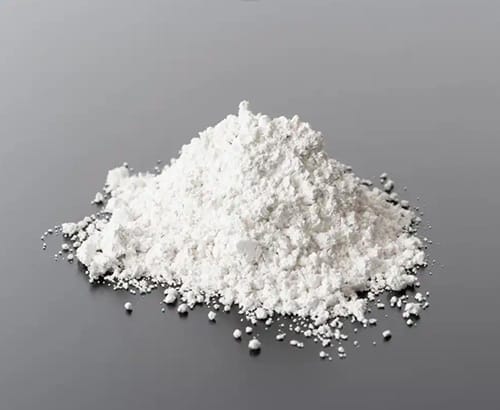
Why Stable Quality Matters in Masterbatch Production
Inconsistent titanium dioxide quality can lead to production instability, uneven color, and increased waste. Stable particle size distribution, controlled surface treatment, and low impurity levels are essential for maintaining consistent masterbatch performance.
A reliable supplier can provide stable batch quality, technical support, and customized product recommendations based on specific application requirements.
Conclusion
Titanium dioxide is an essential component in masterbatch production because it improves whiteness, opacity, UV resistance, and overall processing performance. Selecting the right TiO₂ grade can significantly affect product quality, production efficiency, and long-term durability.
Rutile titanium dioxide is generally preferred for high-performance masterbatch applications due to its superior weather resistance, thermal stability, and dispersion characteristics. Anatase titanium dioxide remains a practical option for lower-cost and indoor applications.
Understanding these differences helps manufacturers optimize their formulations and achieve more stable production results.