


Table of Contents
Introduction
Titanium dioxide (TiO₂) is one of the most important raw materials in the coatings and paint industry. Known for its excellent whiteness, strong hiding power, and outstanding durability, it plays a critical role in determining the final appearance and performance of coatings.
From architectural paints to industrial coatings and powder coatings, titanium dioxide is widely used to improve opacity, enhance brightness, and provide long-term weather resistance. However, not all titanium dioxide products are the same. Choosing the right type and grade is essential to achieving optimal performance and cost efficiency.
This guide explains the different types of titanium dioxide for coatings, their benefits, and how to select the best TiO₂ for your specific application.
Why Titanium Dioxide Is Essential for Coatings
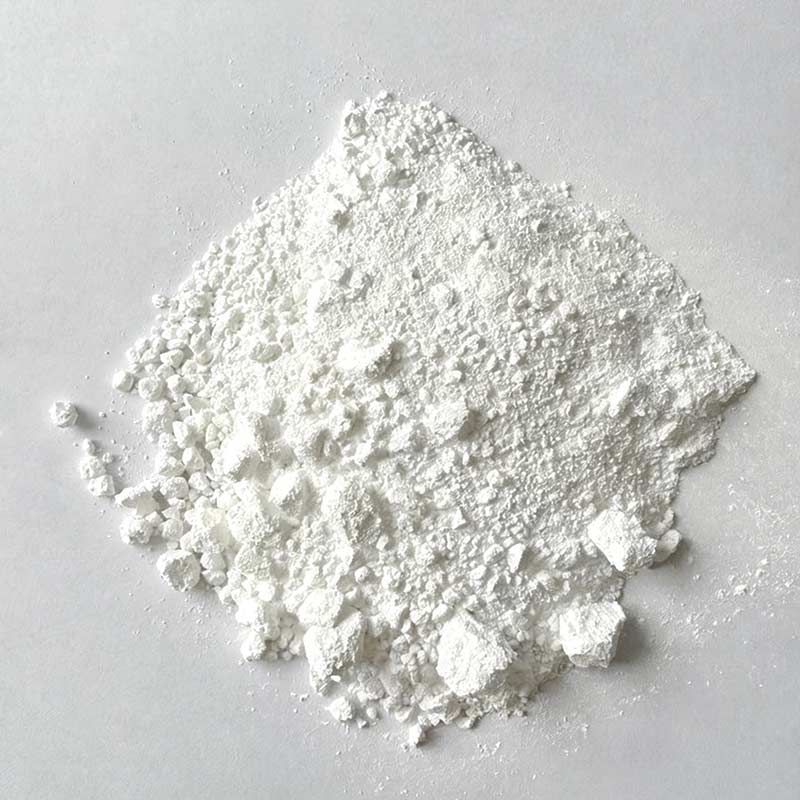
Titanium dioxide is the most effective white pigment available today due to its high refractive index. This property allows it to scatter light efficiently, resulting in superior opacity and brightness.
In coatings, TiO₂ performs several key functions. It improves coverage, reduces the amount of pigment needed, enhances UV resistance, and protects the underlying material from environmental damage. These benefits make it indispensable for both decorative and protective coatings.
Types of Titanium Dioxide for Coatings
There are two main types of titanium dioxide used in coatings: rutile and anatase. Each type has different characteristics and is suitable for different applications.
Rutile Titanium Dioxide for Coatings
Rutile TiO₂ is the preferred choice for most coating applications due to its excellent durability and weather resistance. It is commonly surface-treated with inorganic coatings such as aluminum (Al), silicon (Si), or zirconium (Zr), which enhance its performance in coatings systems.
Key advantages include strong hiding power, high gloss retention, and excellent resistance to UV degradation. Rutile titanium dioxide is widely used in exterior paints, industrial coatings, and automotive finishes.
Anatase Titanium Dioxide for Coatings
Anatase TiO₂ is generally used in interior coatings where weather resistance is not a critical requirement. It offers high brightness and good dispersion, making it suitable for cost-sensitive applications.
However, due to its lower durability and UV resistance, anatase is not recommended for outdoor coatings.
Key Benefits of Titanium Dioxide in Coatings
Titanium dioxide provides multiple performance advantages in coating formulations.
- High opacity reduces the number of coating layers required
- Excellent whiteness improves visual appearance
- Strong UV resistance enhances durability
- Good dispersibility ensures consistent performance
- Chemical stability supports long-term use
These benefits help manufacturers produce high-quality coatings that meet industry standards and customer expectations.
Comparison of Rutile and Anatase TiO₂ for Coatings
| Property | Rutile Titanium Dioxide | Anatase Titanium Dioxide |
|---|---|---|
| Opacity | Excellent | Moderate |
| Whiteness | High | Very high brightness |
| Weather Resistance | Excellent | Low |
| UV Resistance | Strong | Weak |
| Durability | Long-lasting | Limited |
| Application | Exterior & industrial coatings | Interior coatings |
| Cost | Higher | Lower |
From this comparison, rutile titanium dioxide is clearly the better choice for high-performance coatings, especially in outdoor environments.
Applications of Titanium Dioxide in Coatings
Titanium dioxide is used across a wide range of coating applications.
In architectural coatings, it improves coverage and brightness, making walls look cleaner and more uniform. In industrial coatings, it enhances durability and resistance to harsh environments. In powder coatings, it provides consistent color and excellent finish quality.
For automotive coatings, rutile TiO₂ ensures high gloss, color stability, and long-term resistance to weathering.
How to Choose the Right Titanium Dioxide for Coatings
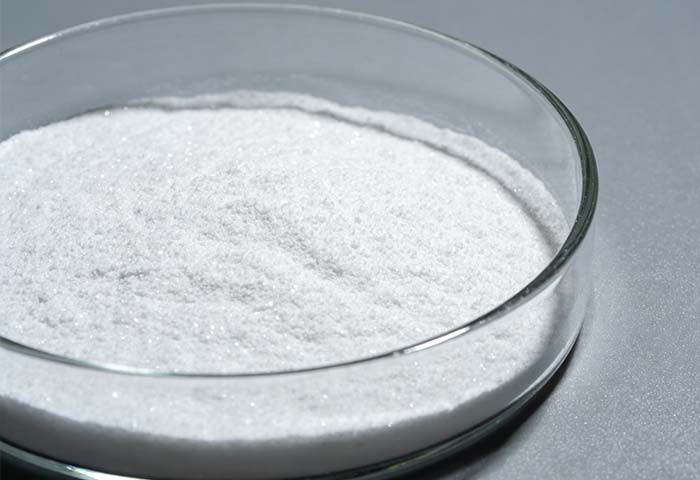
Selecting the right titanium dioxide depends on several factors, including the type of coating, environmental conditions, and performance requirements.
For exterior applications, rutile titanium dioxide with advanced surface treatment is the best option due to its superior weather resistance and durability.
For interior coatings, anatase titanium dioxide can be used as a cost-effective alternative while still providing good brightness and coverage.
Manufacturers should also consider factors such as dispersibility, oil absorption, and compatibility with other formulation components. Working with a reliable supplier can help ensure consistent quality and optimal product performance.
Why Work with a Reliable Titanium Dioxide Supplier
Choosing the right supplier is just as important as selecting the right product. A professional manufacturer can provide stable quality, technical support, and customized solutions based on your application needs.
Reliable suppliers also ensure consistent batch quality, which is critical for large-scale production. They can recommend suitable grades for coatings, plastics, and other applications, helping you reduce costs while maintaining performance.
Get the Right Titanium Dioxide for Your Coatings
If you are looking for high-performance titanium dioxide for coatings, selecting the right grade is essential to achieving the best results. Whether you need rutile TiO₂ for exterior coatings or cost-effective solutions for interior applications, working with an experienced manufacturer can make a significant difference.
Contact us today to get a quote or technical support for your coatings application.