


Table of Contents
Table Of Contents
- Why Cable Compounds Need a Specific TiO2 Check
- Match the Pigment to the Cable Polymer
- Evaluate Heat Stability Before Bulk Approval
- Control Dispersion and Surface Cleanliness
- Compare Rutile Options for Indoor and Outdoor Use
- Documentation Buyers Should Request
- Sample Testing Workflow for Cable Buyers
- Common Mistakes That Create Approval Risk
- Conclusion
- FAQ
Titanium Dioxide Selection Priorities For Cable Compounds
In cable compounds, titanium dioxide selection affects hiding power, whiteness, undertone, gloss, dispersion, heat stability, weather resistance, and batch consistency. A useful supplier discussion should connect rutile or anatase grade selection, surface treatment, particle size, oil absorption, and processing conditions to the customer’s finished product target.
Longtai writes this guide from a manufacturer and chemical application perspective. If you are reviewing titanium dioxide for cable compounds, the important question is whether the material can meet your quality standard in production, including the same resin, binder, filler package, temperature, shear level, and final inspection method used by your plant.
For faster technical support, share your application, current material issue, target whiteness or shade, processing method, dosage range, and required documents such as TDS, SDS, or COA. Longtai can then recommend a focused sample direction from the relevant titanium dioxide product range.
Why Cable Compounds Need A Specific TiO2 Check
Titanium dioxide for cable compounds has to work inside a more demanding material system than many simple white plastics. Cable jackets and insulation may include PVC, polyethylene, cross-linked polyethylene, elastomers, flame retardants, fillers, stabilizers, plasticizers, and processing aids. A pigment that looks bright in a simple drawdown can behave differently after high-shear mixing, extrusion, cooling, coiling, and storage.
The buyer’s question is not only whether the powder is white. Titanium dioxide for cable compounds should help the finished compound meet the target appearance while avoiding specks, streaks, plate-out, rough surface, color drift, or processing instability. This is why a good approval process separates powder inspection from compound testing and finished cable checks. Titanium dioxide for cable compounds also needs to fit the buyer’s quality-control routine so repeat lots can be reviewed consistently.
Match The Pigment To The Cable Polymer
Titanium dioxide for cable compounds should be matched to the base polymer first. Rigid PVC, flexible PVC, PE jacket compounds, XLPE insulation materials, and thermoplastic elastomer cable materials do not have the same heat history or additive balance. PVC compounds, for example, may require close attention to heat stability and plate-out, while polyethylene systems may put more pressure on dispersion and surface cleanliness. This is why titanium dioxide for cable compounds should be reviewed by polymer family before a purchasing team compares supplier samples.
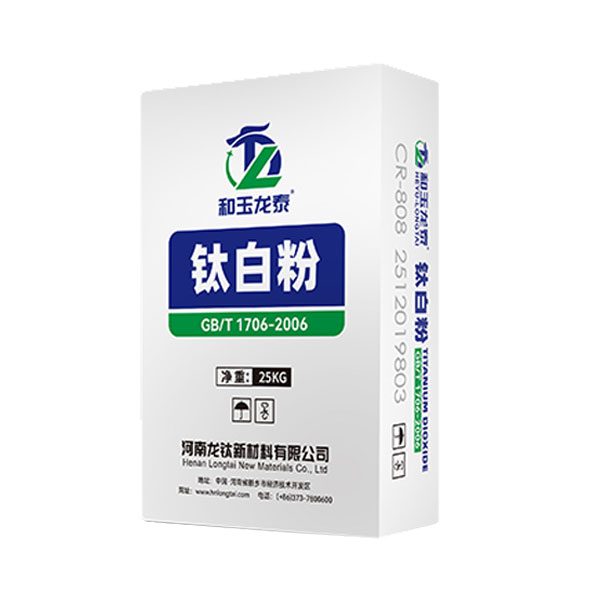
Longtai buyers can use the Plastics Industry page to frame the basic application need, then compare actual pigment grades through a controlled compound trial. For many white cable materials, rutile titanium dioxide is the natural starting point because opacity, clean shade, and durability are usually important. The Rutile Titanium Dioxide CR-808 page is a practical internal reference before requesting samples.
Evaluate Heat Stability Before Bulk Approval
Cable compound production can expose pigment and additives to repeated heat history. Titanium dioxide for cable compounds should be checked after the full mixing and extrusion process, not only after a short lab blend. A grade that looks acceptable after initial mixing may show yellowing, shade drift, or surface defects after longer residence time or repeated processing.
Heat stability checks should use the buyer’s normal processing window and one slightly tougher condition. That may include higher residence time, a warmer zone setting, or a retained sample after reprocessing. The goal is not to punish the pigment; it is to learn whether titanium dioxide for cable compounds will stay stable when production conditions are less than perfect.
Control Dispersion And Surface Cleanliness
Dispersion is one of the most important approval points for titanium dioxide for cable compounds. Poor dispersion can create visible specks, weak hiding, color variation, die build-up, rough jacket surfaces, and inconsistent extrusion appearance. Before increasing pigment loading, buyers should confirm that wetting, mixing energy, filler balance, and let-down sequence are suitable for the chosen pigment.
A practical test should include visual speck inspection, microscope review if available, surface smoothness, color reading, and comparison against a retained approved standard. If the compound uses calcium carbonate, flame retardant, lubricant, or plasticizer, the full formula should be included. Titanium dioxide for cable compounds should not be approved from a simplified resin blend if the production formula is more complex, because titanium dioxide for cable compounds can interact with the total additive package.
Compare Rutile Options For Indoor And Outdoor Use
Indoor cable materials and outdoor cable jackets can require different pigment priorities. Outdoor cable jackets may need stronger resistance to light, weathering, and long-term appearance drift. Indoor insulation may focus more on shade, processing stability, surface cleanliness, and electrical-material compatibility defined by the buyer’s own specification. Titanium dioxide for cable compounds should be evaluated against the final environment.
Surface treatment can influence dispersion, moisture behavior, compatibility, and durability. That does not make one treatment automatically correct for every cable system. The buyer should compare Longtai rutile options in the same formulation and record the exact grade, lot, loading level, processing conditions, and acceptance standard. When titanium dioxide for cable compounds is intended for a weather-exposed jacket, surface treatment and retained aging checks deserve extra attention. For outdoor plastic context, the Surface-Treated Rutile Titanium Dioxide page is a useful starting point.
| Approval area | What to check | Why it matters |
|---|---|---|
| Whiteness and opacity | Color reading, hiding, visual shade, and retained sample comparison | Confirms that the finished cable meets appearance targets. |
| Heat history | Shade after mixing, extrusion, and a tougher processing condition | Shows whether the compound is stable in real production. |
| Dispersion | Specks, streaks, surface smoothness, and filter or screen residue | Prevents defects that powder whiteness cannot predict. |
| Outdoor durability | Buyer-defined exposure or aging checks for jacket applications | Supports cable materials used outside or near light exposure. |
| Documentation | TDS, SDS, COA, lot number, and agreed inspection record | Creates a repeatable purchasing and quality-control process. |
Documentation Buyers Should Request
Titanium dioxide for cable compounds should be supported by documents that help the buyer repeat the approval. A technical data sheet gives a basic product reference, a safety data sheet supports handling review, and a certificate of analysis helps connect a shipment to an agreed lot. Public chemical identity resources such as the PubChem titanium dioxide record can support basic material identification, but they do not replace supplier and lot-specific documents.
The purchasing specification should be precise. It should name the approved Longtai grade, packaging preference, documentation requirement, retained sample process, and the buyer’s internal test method. If titanium dioxide for cable compounds is listed only as “white pigment,” later substitutions become harder to control and harder to investigate.
Sample Testing Workflow For Cable Buyers
A controlled workflow makes titanium dioxide for cable compounds easier to approve. Start with a clear request: resin type, cable application, color target, processing temperature, stabilizer system, filler package, and current problem. Then prepare a small compound batch using the actual production formula or the closest realistic pilot setup. Compare the Longtai candidate against the current approved material under the same conditions, and keep titanium dioxide for cable compounds evaluation records tied to the finished cable sample.
- Confirm the cable application and resin family.
- Run the same formula with the current standard and candidate pigment.
- Check color, opacity, dispersion, surface finish, and heat stability.
- Extrude a representative sample instead of relying only on a pressed plaque.
- Store retained powder, compound, and finished sample records for future lots.
Common Mistakes That Create Approval Risk
The first mistake is approving titanium dioxide for cable compounds from powder appearance alone. Powder shade is useful, but cable compound performance depends on dispersion, heat, resin compatibility, and the additive package. The second mistake is changing pigment loading before checking mixing efficiency. Weak opacity may come from poor dispersion, not from a weak grade.
The third mistake is ignoring retained samples. When a later shipment looks different, the buyer needs an approved powder sample, a compound sample, and a finished cable or plaque sample to compare. Without that record, troubleshooting becomes opinion-based. Titanium dioxide for cable compounds should be managed as a controlled raw material, not a generic commodity item. If a supplier change is needed, titanium dioxide for cable compounds should go through the same approval route again.
Conclusion
Titanium dioxide for cable compounds should be selected through a practical approval process that reflects real cable production. Buyers should compare whiteness, opacity, dispersion, heat stability, surface cleanliness, documentation, and repeatability in the actual resin system. For many wire and cable materials, a Longtai rutile grade is a sensible starting point, but the final decision should come from a controlled compound and extrusion test.
To request a more relevant recommendation, prepare the resin type, cable use, processing temperature, target shade, current defect, and required documents before contacting Longtai. That information helps the technical team match titanium dioxide for cable compounds to the buyer’s application instead of guessing from a general product name.
FAQ
Is rutile titanium dioxide usually preferred for cable compounds?
Rutile grades are often reviewed first for cable compounds that need stronger opacity, cleaner whiteness, and better durability than a basic anatase option. The final choice still needs a compound trial because resin, stabilizer package, processing heat, and outdoor exposure requirements can change the result.
What should buyers test before approving titanium dioxide for cable compounds?
Buyers should test dispersion, shade, heat history, surface smoothness, extrusion stability, plate-out risk, and retained samples after processing. A lab color check alone is not enough because cable compounds must survive real mixing, extrusion, storage, and end-use conditions.
Can one titanium dioxide grade work for all cable jackets and insulation materials?
One grade may work across related formulations, but it should not be assumed for every cable compound. PVC, PE, XLPE, TPE, and flame-retardant systems can respond differently, so buyers should approve the grade in each important resin and processing window.
Why does dispersion matter so much in white cable compounds?
Poor dispersion can create specks, weak hiding, unstable shade, rough extrusion surfaces, and inconsistent appearance between lots. Good dispersion helps the pigment deliver opacity efficiently without forcing unnecessary loading increases.
What information should be sent before requesting a Longtai sample?
Send the resin type, cable application, target color, processing temperature, stabilizer or filler system, outdoor requirement, current defect, and preferred documentation. This helps Longtai recommend a more relevant titanium dioxide sample for buyer testing.
Request A Sample Review
If your team is comparing titanium dioxide for cable compounds, send Longtai your resin type, cable application, processing window, target color, and current performance concern. We can help identify a suitable rutile titanium dioxide sample for your internal test and approval process.