


Table of Contents
Introduction
Titanium dioxide (TiO₂) is one of the most widely used white pigments in modern industry. It plays a crucial role in enhancing product appearance, improving durability, and providing functional performance across a wide range of applications, including coatings, plastics, rubber, paper, and textiles.
Due to its high refractive index, excellent opacity, and chemical stability, titanium dioxide is considered an essential raw material for manufacturers seeking consistent quality and long-term performance. However, titanium dioxide is not a single uniform product. It exists primarily in two crystalline forms: rutile and anatase.
Although both forms share the same chemical composition, their physical structures and performance characteristics differ significantly. Understanding these differences is key to selecting the right type of titanium dioxide for specific industrial applications.
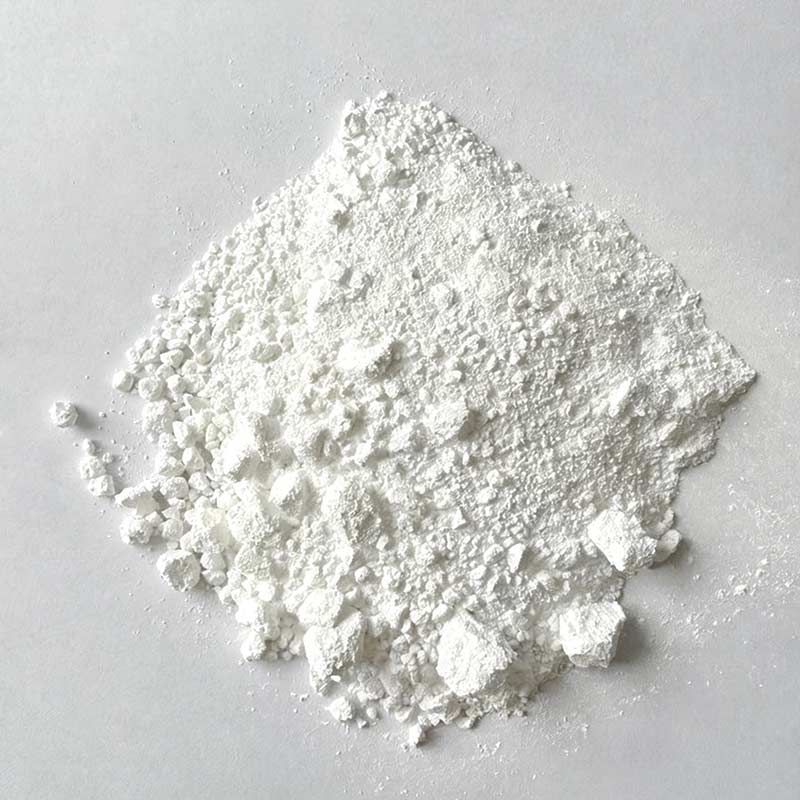
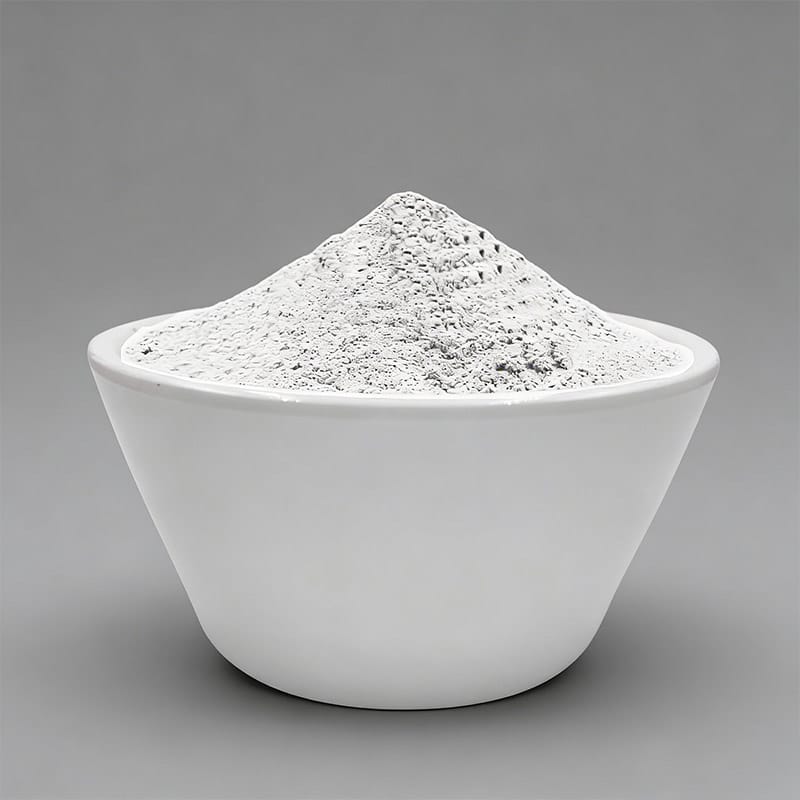
What Is Rutile Titanium Dioxide?
Rutile titanium dioxide is the most stable and commonly used form of TiO₂. It has a dense crystal structure and a higher refractive index compared to anatase, which results in superior hiding power and opacity.
This type of titanium dioxide is typically treated with inorganic coatings such as aluminum (Al), silicon (Si), or zirconium (Zr), along with organic surface treatments. These modifications enhance dispersibility, weather resistance, and compatibility with various formulations.
Rutile TiO₂ is particularly suitable for applications that require high durability and resistance to environmental factors such as UV radiation, moisture, and temperature fluctuations. It is widely used in coatings, plastics, and construction materials.
What Is Anatase Titanium Dioxide?
Anatase titanium dioxide is another crystalline form known for its high whiteness and brightness. It has a lower refractive index than rutile, which results in slightly lower opacity but often better visual brightness in certain applications.
Anatase TiO₂ is generally less surface-treated than rutile grades, making it easier to disperse in some systems. It is also more cost-effective, which makes it attractive for applications where high durability is not required.
This type of titanium dioxide is commonly used in fibers, paper, inks, and indoor coatings. It is especially valued as a delustering agent in synthetic fibers such as polyester and nylon.
Rutile vs Anatase Titanium Dioxide: Key Differences
The differences between rutile and anatase titanium dioxide can be clearly understood by comparing their key properties and performance characteristics.
| Property | Rutile Titanium Dioxide | Anatase Titanium Dioxide |
|---|---|---|
| Crystal Structure | Dense and stable | Less stable |
| Refractive Index | Higher | Lower |
| Hiding Power | Excellent | Moderate |
| Whiteness | High | Very high brightness |
| Weather Resistance | Excellent | Limited |
| UV Resistance | Strong | Weaker |
| Surface Treatment | Usually coated | Minimal or none |
| Cost | Higher | Lower |
| Typical Applications | Coatings, plastics, outdoor use | Fibers, paper, indoor use |
From this comparison, it is clear that rutile titanium dioxide is better suited for high-performance and outdoor applications, while anatase is more appropriate for cost-sensitive and indoor uses.
Applications of Rutile Titanium Dioxide
Rutile titanium dioxide is widely used in industries where performance and durability are critical. In coatings and paints, it provides excellent opacity, gloss retention, and weather resistance. This makes it ideal for architectural coatings, industrial paints, and automotive finishes.
In plastics, rutile TiO₂ improves whiteness, enhances UV resistance, and prevents degradation caused by sunlight exposure. It is commonly used in polyethylene (PE), polypropylene (PP), and PVC products.
Rutile titanium dioxide is also used in rubber and construction materials, where it contributes to improved appearance and longer product lifespan. Its strong hiding power allows manufacturers to achieve better coverage with less material, improving cost efficiency in the long run.
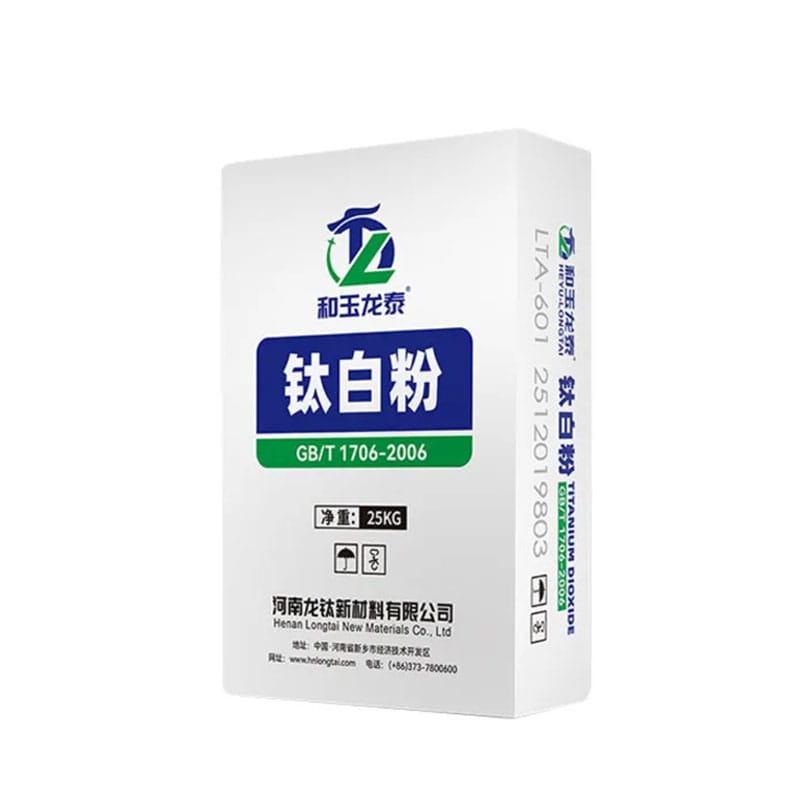
Applications of Anatase Titanium Dioxide
Anatase titanium dioxide is primarily used in applications where brightness and cost efficiency are more important than long-term durability. In the fiber industry, it is used as a delustering agent to reduce gloss and improve the texture of synthetic fibers such as polyester and nylon.
In paper manufacturing, anatase TiO₂ enhances brightness and opacity, improving print quality and visual appeal. It is also widely used in printing inks, where good dispersion and consistent color performance are required.
For interior coatings, anatase titanium dioxide offers sufficient performance at a lower cost, making it a practical choice for applications that are not exposed to harsh environmental conditions.
How to Choose the Right Titanium Dioxide
Selecting the right type of titanium dioxide depends on several factors, including application requirements, environmental conditions, and cost considerations.
For outdoor applications such as exterior coatings, rutile titanium dioxide is the best choice due to its excellent weather resistance and durability. For plastic products that require UV stability and long-term performance, surface-treated rutile TiO₂ is also recommended.
On the other hand, for fiber production, paper manufacturing, and other indoor applications, anatase titanium dioxide provides a more cost-effective solution while still delivering high brightness and good dispersion.
Manufacturers should also consider processing conditions, desired product appearance, and long-term performance requirements when making their selection. Working with a reliable supplier can help ensure consistent quality and the right product choice.
Conclusion
Rutile and anatase titanium dioxide each offer unique advantages that make them suitable for different industrial applications. Rutile TiO₂ stands out for its durability, weather resistance, and high performance, making it the preferred choice for coatings, plastics, and outdoor use. Anatase TiO₂, with its high brightness and lower cost, is ideal for fibers, paper, and indoor applications.
Understanding the differences between these two types allows manufacturers to optimize product performance and achieve better results in their specific industries. Choosing the right titanium dioxide is not only about cost but also about long-term value and application efficiency.