


Table of Contents
For PVC profile, pipe, sheet, and other rigid plastic extrusion manufacturers, choosing titanium dioxide is not only a color decision. The wrong grade can cause poor whiteness, weak hiding power, surface streaks, unstable dispersion, unnecessary formulation cost, and processing complaints that are difficult to trace once production is running. The right grade helps the compounder reach a clean white appearance, stable opacity, smooth extrusion behavior, and reliable outdoor performance where the final product requires weather resistance.
This guide is written for purchasing teams, formulation engineers, PVC compounders, and extrusion plants that need a practical way to evaluate titanium dioxide for rigid plastic applications. It explains what matters, what can be checked before bulk purchasing, and how to avoid common selection mistakes without relying on vague supplier claims.
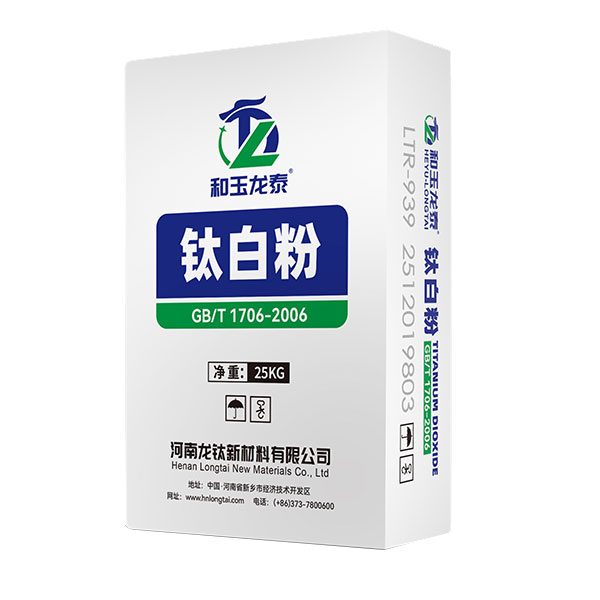
Why PVC Extrusion Needs a Careful TiO2 Selection Process
Rigid PVC products are judged quickly by appearance. A window profile, decorative panel, conduit, pipe fitting, or white sheet must look clean, consistent, and professionally finished. Even when mechanical properties are acceptable, customers may reject material if the color looks gray, yellow, patchy, or different from a previous delivery. This is why titanium dioxide plays such a central role in many PVC formulations.
In PVC, the pigment must do several jobs at the same time. It must provide whiteness and opacity, disperse well during compounding, remain stable under heat, and support the intended surface finish. For outdoor PVC profiles, it may also contribute to light management and long-term color retention as part of the wider stabilizer and additive package. No single specification line can prove all of these behaviors. A smart selection process combines product data, lab testing, pilot production, and supplier consistency checks.
Start With the Application, Not the Pigment Name
Many buyers begin by asking for a rutile titanium dioxide grade or a high whiteness titanium dioxide grade. That is a useful starting point, but it is not enough. A rigid PVC window profile does not have the same performance priorities as an indoor cable trunking product, a drainage pipe, a decorative foam board, or an injection molded fitting. Before comparing titanium dioxide grades, define the application in practical terms.
Ask where the product will be used, how long the color must remain stable, what surface finish is expected, whether the product is bright white or tinted, and what processing route will be used. Extrusion speed, screw design, compounding method, stabilizer system, filler loading, and recycling content can all influence how titanium dioxide behaves. A titanium dioxide grade that performs well in one plant may need adjustment in another plant because the formulation and processing window are different.
For outdoor building products, rutile titanium dioxide is usually preferred because rutile crystal structure provides stronger durability than anatase in many demanding exposure conditions. For some indoor or less demanding applications, the decision may place more weight on whiteness, dispersion, and cost-in-use. The important point is to match the grade to the real application instead of selecting only by a general product label.
Key Properties to Compare Before Buying
When evaluating titanium dioxide for PVC, several properties deserve attention. Whiteness is the most visible, but it should not be checked alone. A grade with attractive whiteness in a simple sample may still cause problems if it disperses poorly, has inconsistent undertone, or does not suit the heat and shear conditions of the extrusion line.
| Evaluation Point | Why It Matters in PVC | Practical Check |
|---|---|---|
| Whiteness | Influences the clean visual appearance of profiles, pipes, panels, and fittings. | Compare molded or extruded plaques under consistent lighting. |
| Undertone | A blue undertone can help the product appear cleaner and less yellow in many white systems. | Compare against the approved control sample, not only against a data sheet. |
| Hiding power | Helps cover filler, base resin variation, and minor background color differences. | Run opacity comparisons at the intended dosage range. |
| Dispersibility | Poor dispersion can cause specks, streaks, die buildup, and unstable appearance. | Check filter pressure, microscope dispersion, and finished surface quality. |
| Heat stability | PVC processing is sensitive to thermal history and residence time. | Run a realistic extrusion or torque rheometer test with the full formulation. |
| Batch consistency | Color drift between shipments creates customer complaints and rework. | Keep retained samples and compare each incoming lot. |
Rutile or Anatase: Which Is Better for Rigid PVC?
For most rigid PVC extrusion products that require durability, rutile titanium dioxide is the practical choice. Rutile grades are commonly used in plastics where higher opacity, better weather resistance, and stronger stability are required. Anatase grades can be suitable for certain indoor or less demanding uses, but they are generally not the first choice for outdoor PVC building materials.
The distinction is related to crystal structure and performance behavior. A brief technical background on titanium dioxide is available from Wikipedia, but plant-level selection should still be based on formulation trials. The same crystal type can be offered with different surface treatments, particle size distributions, and dispersion behavior. For this reason, a rutile label alone does not guarantee the best result in PVC.
If the final product is an outdoor window profile, siding component, or exterior construction part, ask for a rutile titanium dioxide grade designed for plastics or PVC systems and verify it in a weathering-focused formulation. If the product is an indoor white panel or conduit, the required durability may be different, but dispersion, whiteness, and batch stability still matter. The goal is not to buy the most advanced grade in every situation. The goal is to buy the titanium dioxide grade that delivers stable performance in the intended application.
Whiteness, Undertone, and Customer Perception
Whiteness is often discussed as if it were a single number, but customer perception is more complex. Two PVC samples can have similar whiteness values while appearing different to the human eye because of undertone, gloss, surface texture, lighting, and adjacent materials. In many white PVC applications, a slightly blue undertone may help the product look cleaner, while a yellow undertone can make the product appear aged or lower grade even when the technical formula is acceptable.
When comparing titanium dioxide, do not rely only on loose powder color. Test titanium dioxide in the actual PVC formulation. Powder appearance can be misleading because resin, stabilizer, lubricant, filler, and processing temperature all influence the final color. A good titanium dioxide evaluation should include extruded or molded samples, color measurement, and visual assessment by people who understand the customer standard.
It is also useful to keep a physical approved standard. Digital photos are not reliable for color decisions because camera settings and screen calibration can change the appearance. A retained reference sample from a successful production batch gives the purchasing and production teams a practical benchmark when new titanium dioxide lots arrive.
Hiding Power and Cost-in-Use
Some buyers compare pigment only by purchase price per ton, but this can lead to poor decisions. In PVC, the more useful question is cost-in-use: how much pigment is needed to achieve the required whiteness and opacity at stable processing conditions? A lower-priced titanium dioxide may require higher loading, create dispersion issues, or cause inconsistent color. A better-dispersing grade with strong hiding power may support a more efficient formulation even if the unit price is not the lowest.
To evaluate hiding power fairly, test different titanium dioxide dosage levels in the same base formulation. Keep all other materials constant. If the formula contains calcium carbonate or other fillers, use the real filler level rather than a simplified lab formula that does not represent production. Measure color and opacity, then inspect the surface. The titanium dioxide grade that reaches the target at a stable dosage with fewer defects is usually more valuable than a grade that looks attractive only on paper.
For procurement teams, this approach also makes supplier discussions more concrete. Instead of asking for a general discount, the team can compare delivered performance per kilogram of finished compound. That is a stronger basis for negotiation and technical selection.
Dispersion: The Hidden Reason Behind Many Defects
Dispersion problems are not always obvious at the start. A batch may look acceptable in a small sample but produce streaks, white specks, or surface irregularities during longer extrusion. Poorly dispersed titanium dioxide can also affect filter pressure and line stability. In high-output extrusion, small dispersion differences may become expensive because line stoppages, scrap, and customer claims add cost quickly.
Good dispersion depends on titanium dioxide surface properties, particle behavior, formulation design, and mixing energy. The compounder should review the full process: raw material feeding, premixing, hot-cool mixing, extrusion temperature, screw configuration, and residence time. If titanium dioxide is added through masterbatch, the quality of the masterbatch carrier and dispersion process also matters.
A practical test plan should include visual surface inspection, microscope review where available, filter pressure monitoring, and comparison after longer running time. If streaks appear after the line has been running for a while, the issue may involve dispersion, moisture, thermal stability, die buildup, or additive compatibility. Titanium dioxide selection is one part of the answer, but the evaluation should look at the whole PVC system.
Surface Treatment and Compatibility
Many rutile titanium dioxide pigments are surface treated to improve dispersion, durability, or compatibility in specific systems. Surface treatment can influence how titanium dioxide wets out in PVC, how it interacts with stabilizers and lubricants, and how the finished product performs under light and heat. This is why two rutile titanium dioxide grades with similar basic chemistry can behave differently on the same extrusion line.
For PVC profiles, surface-treated rutile titanium dioxide grades are often considered when the product needs reliable whiteness, outdoor durability, and processing consistency. However, more treatment is not automatically better. The treatment package should match the application. A titanium dioxide grade developed for coatings may not disperse or process the same way in rigid PVC. Ask the supplier whether the grade is recommended for plastics and whether it has been used in extrusion applications similar to yours.
Compatibility should be checked with the actual stabilizer package. PVC systems may use different calcium-zinc, tin, or other stabilizer technologies depending on market requirements and product type. Lubricant balance also affects melt flow and surface quality. A pigment trial that ignores these formulation details may not predict production behavior accurately.
Heat Stability During PVC Processing
PVC processing is sensitive because the resin can degrade when heat history is poorly controlled. The pigment itself is not the only factor, but titanium dioxide must fit into a system that can handle the required processing window. If the grade contributes to poor dispersion or unstable lubrication balance, the line may need higher temperatures or more shear, which can make color control harder.
Before approving a new titanium dioxide, run a trial under realistic conditions. Use the same mixer, similar batch size where possible, and the same extrusion settings intended for production. Watch for color shift, surface gloss change, plate-out, die buildup, unstable pressure, or unusual torque behavior. Short lab tests are useful, but they should be followed by pilot or production-scale verification when the final product has strict appearance requirements.
It is also important to test the finished product after cooling and after storage. Some color differences become more visible once samples are compared side by side under daylight or standard light conditions. Keep records of processing settings and raw material lots so the team can separate pigment performance from unrelated production variables.
A Practical Trial Plan for Purchasing Teams
A structured trial helps avoid emotional decisions based on a single sample. Start with a small set of candidate grades and define the acceptance criteria before testing. The criteria may include whiteness, undertone, hiding power, surface quality, dispersion, processing stability, retained sample comparison, and supplier documentation. If outdoor durability is required, include a weathering-related review or discuss suitable test methods with the customer and technical team.
International organizations such as ISO publish standards used across many industries, and testing laboratories may apply relevant methods depending on the product and market. Do not claim compliance unless the product has been tested and documented for the specific requirement. For purchasing, the safest approach is to request clear technical documents, certificates of analysis for delivered lots, and retained sample comparison rather than relying on broad marketing language.
During the trial, keep the same base formula and process conditions for all titanium dioxide candidates. If a formulation adjustment is needed, record it separately. Compare the result with the current approved titanium dioxide and with the customer target. If the candidate titanium dioxide requires major process changes to look acceptable, consider whether that complexity is worth the risk in daily production.
Common Mistakes to Avoid
The first mistake is choosing titanium dioxide only by whiteness data. Whiteness is important, but a PVC product also needs opacity, dispersion, stable undertone, and processing reliability. A second mistake is comparing samples under different conditions. If one titanium dioxide sample is extruded at a different temperature or with a slightly changed formula, the comparison is not reliable.
A third mistake is approving a grade after a very short run. Some issues appear only after longer operation, especially plate-out, pressure change, or color drift. A fourth mistake is ignoring incoming lot control. Even after approval, every titanium dioxide shipment should be checked against retained standards and documentation. Consistency is often what separates a smooth supply relationship from repeated production interruptions.
Finally, avoid using unsupported claims in customer documents. If a product requires food-contact, medical, environmental, or other regulated performance, verify the exact requirement and documentation before making statements. For normal industrial PVC applications, clear technical communication is better than overpromising.
Questions to Ask a Supplier
- Is this grade recommended for rigid PVC extrusion, or mainly for another application?
- What is the typical whiteness, undertone, and hiding power behavior in plastics?
- How should the grade be dispersed in direct compounding or masterbatch production?
- What lot documentation is available with each shipment?
- Can retained samples be compared against an approved control?
- What packaging and moisture-control practices are used for export delivery?
- What technical support is available if streaks, specks, or color drift appear during production?
These questions help the buyer move beyond general titanium dioxide descriptions. A reliable supplier should be able to discuss application fit, not only quote a product name. If the supplier understands PVC extrusion conditions, the titanium dioxide conversation becomes much more useful for both sides.
Final Selection Checklist
| Step | Decision Question |
|---|---|
| Application definition | Is the product indoor, outdoor, structural, decorative, pipe, profile, sheet, or fitting? |
| Grade screening | Does the titanium dioxide grade match PVC or plastics use rather than only a general industrial label? |
| Lab trial | Does it reach the target color and opacity in the real formulation? |
| Processing trial | Does it run smoothly without streaks, specks, pressure instability, or visible defects? |
| Documentation | Are technical data and lot documents clear enough for purchasing control? |
| Consistency control | Can incoming lots be compared with retained approved samples? |
Conclusion
Choosing titanium dioxide for PVC extrusion is a practical technical decision, not a simple catalog selection. The best grade is the one that gives the finished product the required whiteness, opacity, undertone, dispersion, processing stability, and consistency in the actual formulation. For outdoor rigid PVC products, rutile grades with suitable surface treatment are often preferred, but every approval should still be based on real trials and clear acceptance criteria.
For buyers and engineers, the strongest approach is to define the application first, test in the real PVC system, compare against retained standards, and work with a supplier that can discuss both pigment properties and production behavior. When titanium dioxide is selected this way, it becomes more than a white pigment. It becomes a controllable part of product quality, customer confidence, and stable manufacturing.